How a Commercial Electrician Improves Workplace Safety
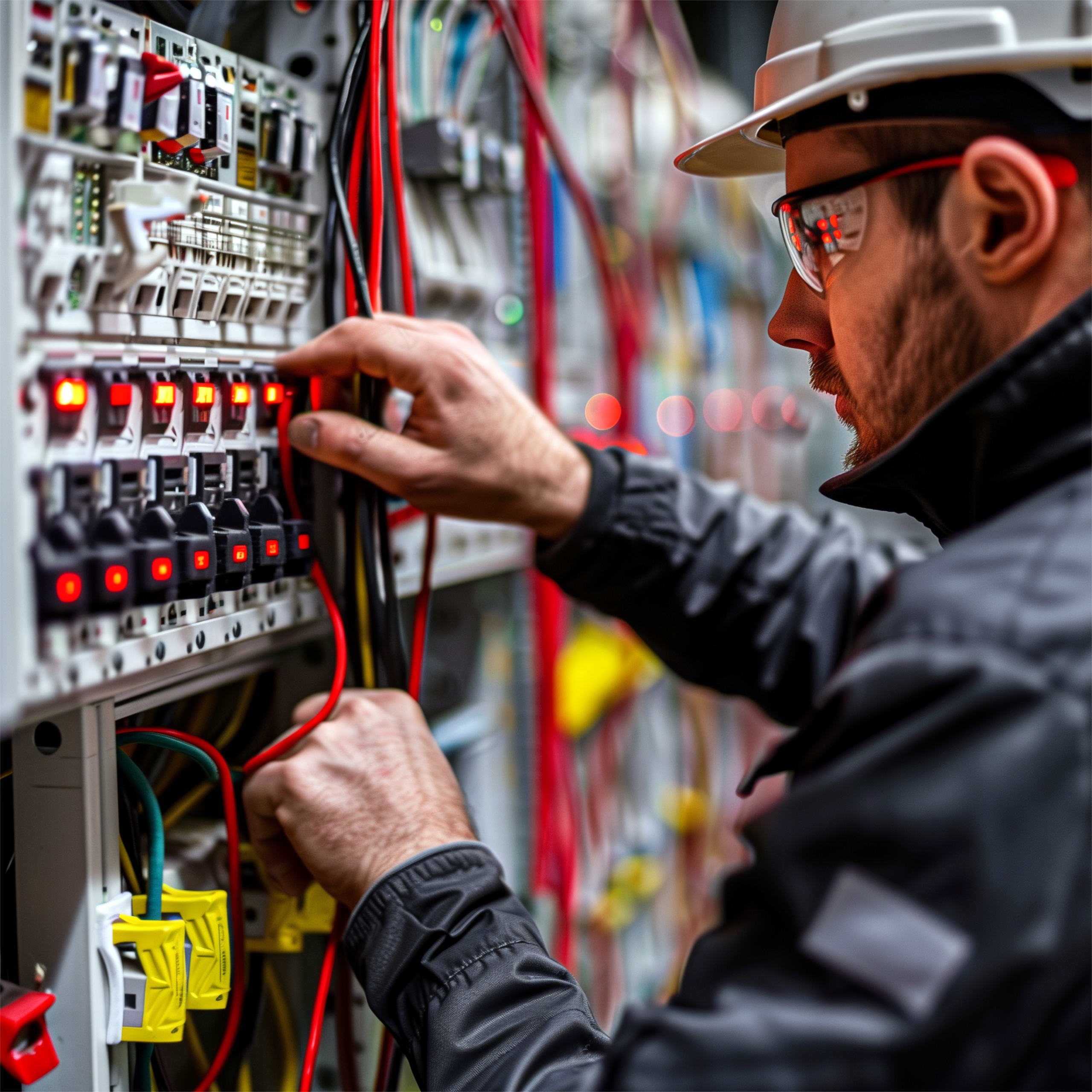

Workplace safety often gets discussed in broad terms, training, signage, policies, inspections, but electrical safety is one of the places where risk becomes very real, very fast. A loose termination behind a panel cover does not announce itself politely. An overloaded circuit does not care that production is behind schedule. A missing equipment ground can sit unnoticed for months, right up until a fault energizes metal parts that people touch every day.
That is where a Commercial Electrician earns their value. Not simply by installing conduit, pulling wire, or replacing devices, but by shaping an environment where people can do their jobs without walking into hidden hazards. In offices, warehouses, retail spaces, schools, healthcare buildings, and industrial facilities, electrical work is tied directly to fire prevention, reliable operations, emergency response, and the physical safety of everyone on site.
The best commercial electrical work is often invisible when it is done well. Lights come on. Panels are labeled. Equipment runs within design limits. Emergency systems work during an outage. Staff never have to think about whether a receptacle is safe to use. That quiet reliability is not accidental. It comes from judgment, planning, code knowledge, and field experience.
Safety starts long before the first wire is pulled
A lot of electrical danger is created before a building is occupied. Poor design coordination, rushed tenant improvements, makeshift power additions, and undocumented modifications all create conditions that can later injure workers or damage property. A seasoned Commercial Electrician improves safety by catching these issues early, when they are still practical to fix.
Consider a common example in a warehouse conversion. A space that once used limited office equipment is reworked to support battery chargers, conveyor motors, and additional lighting. If the electrical load is not recalculated properly, the result may be nuisance tripping at first, then overheated conductors or stressed distribution equipment later. On paper, the problem can look minor. In the field, it turns into hot spots inside panels, scorched breaker terminations, and a much higher fire risk.
An experienced electrician looks beyond whether something merely turns on. They ask whether the circuit is sized correctly, whether the fault current is understood, whether disconnects are accessible, whether grounding and bonding are complete, and whether future maintenance can be done safely. Those are not abstract concerns. They determine whether a technician can isolate power in an emergency, whether a janitor gets shocked by a damaged appliance, and whether an overloaded panel becomes an ignition source.
Preventing electrical fires through disciplined installation
One of the most direct ways a Commercial Electrician improves workplace safety is by reducing the conditions that lead to fire. Electrical fires rarely come from one dramatic mistake. More often, they grow out of small failures layered together, a loose lug, undersized conductor, damaged insulation, a multiwire branch circuit wired incorrectly, or heat trapped in overcrowded raceways.
In commercial buildings, those risks can multiply because systems run longer hours and carry more demanding loads than in a residential setting. Office server rooms, restaurant kitchen equipment, rooftop HVAC units, point-of-sale systems, compressors, and manufacturing equipment all create persistent electrical stress. A competent electrician manages that stress through proper installation and by respecting manufacturer requirements rather than improvising in the field.
A panelboard is a good example. If conductors are landed carelessly, torque values ignored, or circuits left unlabeled, the panel may technically energize, but it is not safe. During maintenance, someone has to work on that equipment. If they cannot identify the right feeder or branch circuit quickly, troubleshooting becomes slower and more dangerous. I have seen service calls where a breaker directory was so vague that three separate departments believed the same panel served them. That confusion wastes time under normal conditions and becomes much worse during an emergency.
Proper electrical installation also protects against thermal buildup. In a busy commercial setting, excess heat is an early warning sign, though it is often hidden. Receptacles serving break room appliances, copy rooms with constant load, or extension-fed workstations can run warm for months before there is visible damage. A Commercial Electrician who performs routine inspections can catch discoloration, brittle insulation, or overheated terminations before they become ignition points.
Reducing shock hazards for workers and visitors
Fire gets attention because it is dramatic, but shock hazards are just as serious and often more immediate. Workplaces contain countless touchpoints, metal light poles in parking lots, refrigerated display cases, hand sinks with electric water heaters, vending machines, floor boxes, hand tools, and machinery housings. If grounding, bonding, or overcurrent protection is compromised, a normal workday can become dangerous in an instant.
The details matter here. Ground fault circuit interrupter protection in the right locations, intact equipment grounding conductors, bonded metal raceways, and correct polarity https://brookseyal890.wordcanopy.com/posts/commercial-electrician-strategies-for-energy-cost-savings all contribute to a safer environment. So does something as unglamorous as securing flexible cords and replacing broken receptacles before someone keeps using them out of convenience.
The risk is not limited to maintenance staff. In retail and office environments, many people using electrical equipment have no technical background. They assume a receptacle is safe because it is there. They plug in space heaters under desks, charge devices with damaged cords, or use adapters to make equipment fit. A Commercial Electrician helps control that risk by making the system itself more forgiving, providing sufficient outlet capacity, dedicated circuits where needed, and devices suited to the environment.
Wet or damp locations deserve special attention. Janitorial closets, loading docks, commercial kitchens, exterior break areas, and utility rooms all create conditions where moisture and electricity meet. Even a small wiring defect in these spaces can expose workers to shock. A professional electrician accounts for enclosure ratings, weather resistance, sealing methods, and protective devices that fit the real use of the area, not just the clean version shown on a drawing.
Lockout, isolation, and safer maintenance
Electrical safety is not only about day-to-day operation. It is also about what happens when someone has to service equipment. A surprising amount of danger comes from systems that were installed without enough thought about future maintenance. Disconnects are hidden behind storage racks. Panels are blocked by shelving. Equipment has no clear lockable means of isolation. Circuit identification is incomplete or wrong.
A Commercial Electrician improves workplace safety by making maintenance possible without guesswork. That includes proper disconnect placement, accurate labeling, clean panel schedules, and accessible working clearances. These are practical decisions that support safe lockout procedures and reduce the chance that someone tests, opens, or services the wrong equipment.
In manufacturing and larger commercial environments, this becomes even more important. A rooftop unit, for example, may involve multiple sources of power, one for the air handler, another for heat strips, and perhaps a control circuit from elsewhere. If those sources are not identified clearly, a technician can believe a unit is safe when part of it is still energized. Good electricians think about the person who will come after them, usually years later, with a meter in one hand and pressure to restore service quickly.
That same mindset applies indoors. A panel tucked into a crowded back room is not just inconvenient. If staff stack boxes in front of it because no one planned storage elsewhere, emergency access suffers. During one office renovation I observed, a panel serving life safety circuits had gradually become hidden behind rolling file cabinets. No one intended to create a hazard. It happened because the installation had not been coordinated with how people actually used the room. Safety often fails that way, through ordinary habits meeting avoidable design choices.
Emergency systems are only useful if they work under stress
A building can operate for years without a power outage or evacuation, then need every emergency system to perform flawlessly on one bad day. Exit signs, emergency lighting, fire alarm circuits, backup power connections, smoke control components, and egress illumination all depend on electrical reliability. When these systems fail, the consequences go beyond inconvenience.
A Commercial Electrician plays a central role in making sure these systems are dependable, testable, and maintained. That means more than installing battery units and moving on. It includes verifying circuit integrity, ensuring unswitched power where required, separating life safety systems appropriately, and checking that modifications by other trades have not compromised the original installation.
Emergency lighting is a simple example with serious implications. In many facilities, units are installed correctly at the start, then neglected. Batteries age. Heads get bumped out of alignment. New partitions alter the path of egress. During routine operation, nobody notices. During a blackout, those details become critical. A good electrician treats periodic testing as part of safety, not paperwork.
Backup generation and transfer equipment raise the stakes further. In healthcare, hospitality, data-driven office environments, and some industrial occupancies, a failure to transfer essential loads properly can put people and operations at risk. The electrician’s role includes not only initial wiring but periodic verification that breakers, controls, terminations, and transfer mechanisms remain in sound condition.
Finding hazards that other people overlook
One reason electrical professionals add so much safety value is that many hazards are not obvious to non-electricians. A frayed extension cord is easy to spot. A neutral issue, deteriorated insulation in a junction box, or improper bonding jumper is not. Commercial buildings age in uneven ways, and their electrical systems often tell a story of additions, shortcuts, and forgotten repairs.
A trained Commercial Electrician reads those clues quickly. Discolored breaker handles, buzzing contactors, recurring lamp failures, scorched cover plates, unexplained equipment resets, and tripping patterns all point toward conditions that deserve investigation. Even something as mundane as flickering lights can reveal a larger problem. In one facility, staff assumed flicker near a conference suite was caused by cheap lamps. The real issue was a loose connection upstream that had begun heating under load. Left alone, it could have damaged equipment or started a fire.
Infrared scanning, load testing, voltage checks, torque verification, and visual inspection each have their place. None of them is magic on its own. Safety improves when a capable electrician uses these tools with context. A hot breaker might indicate overloading, a failing breaker, poor termination, or an imbalance issue elsewhere. The equipment does not explain itself. Experience matters.
Adapting electrical systems to the way people really work
Buildings rarely stay exactly as designed. Departments grow. Machinery gets replaced. Office cubicles become collaborative spaces. Storage areas become workstations. Every change affects electrical safety because usage changes load profiles, walking paths, and maintenance access.
A Commercial Electrician improves workplace safety by adapting systems to those changes before staff create workarounds. Extension cords across walkways, plug strips feeding plug strips, portable heaters on general-purpose circuits, and temporary lighting left in place for months are all signs that the building no longer fits the work being done in it.
Some of the safest projects are not dramatic upgrades. They are practical corrections that eliminate bad habits:
- adding dedicated receptacles where staff rely on extension cords
- relocating disconnects to maintain access around new equipment
- separating sensitive electronics from heavy motor loads
- replacing damaged devices before they fail under use
- updating panel directories after renovations and circuit changes
These fixes may not look impressive on a capital project report, but they reduce daily exposure to risk. They also reduce the temptation for employees to solve electrical problems themselves, which is often where serious hazards begin.
Supporting compliance without treating code as a box-checking exercise
Code compliance matters, but a strong Commercial Electrician does not approach safety as a minimum standard and stop there. The code sets a floor. Real workplaces often need more thought than the minimum because operations are messy, schedules are tight, and human behavior is inconsistent.
Take arc flash and fault current considerations. In some facilities, available fault current changes over time because utility service changes or distribution equipment is modified. Labels that were once accurate may no longer reflect real conditions. If no one revisits that information, maintenance personnel may rely on outdated assumptions about protective gear or safe working procedures. An electrician who understands the system as a whole can flag when an engineering review is needed.
The same is true with panel accessibility, environmental ratings, and equipment selection. A device that satisfies code in a dry interior room may be the wrong choice near washdown areas or corrosive conditions. A disconnect that meets placement rules may still be awkward to reach during an emergency if production equipment crowds it. Safety often lives in the gap between technically allowed and genuinely usable.
Communication is part of the safety work
Some of the best electricians I have worked with were strong communicators. They could explain a risk without inflating it, tell a manager why a quick fix was a bad idea, and guide maintenance staff on what to watch for after a repair. That ability improves safety just as much as technical skill.
Electrical hazards often persist because people misunderstand them. A manager may think a tripping breaker is just annoying downtime. An employee may see a missing cover plate as cosmetic. A facilities team may postpone replacing a damaged disconnect because the equipment still runs. A Commercial Electrician who can translate the issue into plain language helps decision-makers act before a near miss becomes an injury.
This communication role is especially important during renovations and tenant improvements. Other trades may not realize that moving shelving in front of electrical equipment, drilling through a wall with concealed conduit, or hanging signage near energized components creates risk. A proactive electrician coordinates early and prevents conflicts before they turn into expensive rework or unsafe conditions.
Training staff to recognize what needs attention
Not every workplace has full-time electrical personnel on site, and even those that do rely heavily on non-electricians to report problems. That makes informal safety education valuable. A Commercial Electrician can improve workplace safety by helping staff recognize warning signs and understand basic boundaries.
Employees do not need to become experts. They do need to know what deserves immediate attention. This short checklist is often enough to prevent a lot of trouble:
- repeated breaker trips or blown fuses
- warm, discolored, or buzzing outlets and switches
- damaged cords, plugs, or power strips in active use
- flickering lights tied to equipment startup or heavy load
- blocked panels, disconnects, or emergency lighting equipment
When staff know these are not minor nuisances, reporting improves. So does response time. Small interventions, especially in busy commercial spaces, prevent larger failures later.
Safety and productivity are not competing goals
There is a persistent myth that safety slows commercial work down. In reality, unsafe electrical systems create some of the worst productivity losses a business can face. Unplanned outages, damaged equipment, spoiled inventory, failed inspections, emergency shutdowns, and worker injuries all cost more than doing the work properly.
A skilled Commercial Electrician improves both safety and operational continuity because the same practices support both. Correct load planning reduces nuisance outages. Clear labeling speeds troubleshooting. Quality terminations reduce heat and failure. Appropriate protective devices reduce equipment damage during faults. Safe access around panels shortens maintenance time. It is hard to separate safety from uptime because, in electrical work, they are deeply connected.
This is especially visible in facilities that run long hours. A restaurant cannot afford a service call every weekend because kitchen circuits are overloaded. A warehouse cannot stop shipping because a poorly protected door motor circuit failed. An office with unstable power to network equipment loses more than convenience. When electrical systems are built and maintained with discipline, the workplace becomes safer precisely because it becomes more stable.
What good electrical safety work looks like over time
The strongest sign that a Commercial Electrician is improving workplace safety is consistency. Not the dramatic rescue repair after something fails, though those matter too, but the steady pattern of fewer surprises. Fewer overheated devices. Fewer improvised power setups. Fewer inaccessible panels. Fewer unexplained outages. Cleaner documentation. Better maintenance access. Faster, safer troubleshooting.
That kind of progress usually comes from routine habits rather than one large project. Regular inspections, accurate updates after modifications, timely replacement of worn components, and honest conversations about building use all contribute. Safety grows when electrical systems are treated as living infrastructure, not set-and-forget hardware hidden behind walls.
Commercial buildings ask a lot from their electrical systems. They expect flexibility, reliability, and quiet performance under constant use. People working inside those buildings rarely notice the electrical work unless something goes wrong. That is exactly why the role matters so much. A capable Commercial Electrician protects people not only by fixing visible problems, but by preventing the hidden ones from ever reaching them.
Paxos Electric Company, LLC
255 NJ-15
Wharton, NJ 07885
(973) 598-8543
FAQ About Commercial Electrician
How much should a commercial electrician charge per hour in Wharton NJ?
Hourly rates vary by contractor, job complexity, and timing. Ask whether the quote includes a service minimum, travel, materials, and any after-hours charges. A written estimate makes it easier to compare the total cost.
How to estimate commercial electrical jobs?
Start with a defined scope and a site walkthrough. Share the plans, equipment specifications, site access details, and any limits on shutdowns. Ask the contractor to itemize labor, materials, and testing, and to identify permit responsibilities and exclusions.
Do any electricians give free estimates?
Some contractors offer free estimates for planned projects. Paxos Electric Company offers free estimates for commercial electrical work. Ask when scheduling whether troubleshooting or diagnostic visits carry a separate fee.